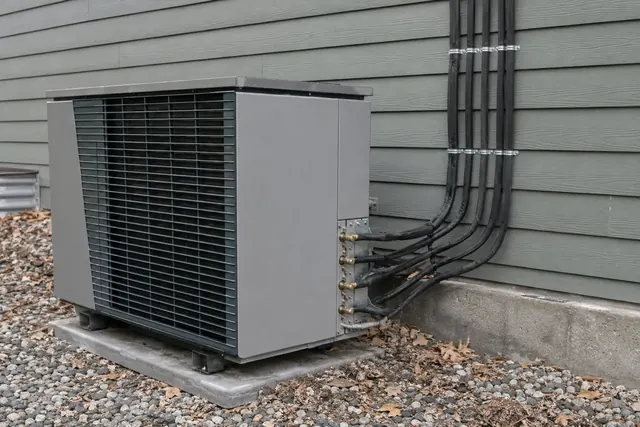
Spokane WA Heat Pump Installation is a heat pump contractor providing multi-zone heat pump systems for homeowners and property owners across Spokane County, WA and out to the Idaho state line. Every job starts from a load calculation rather than the size of whatever came out.
A multi-zone system runs several indoor heads from a single outdoor unit, with each head controlled independently. That solves the problem every single-thermostat house has, where the room with the thermostat is comfortable and the bonus room over the garage is not. The engineering complication is that the outdoor unit has to modulate across a wide range as heads switch on and off, and if the combined head capacity is badly matched to the outdoor unit, the system spends its life running inefficiently at the bottom of its range. Multi-zone design is mostly an exercise in getting that match right.
When a single small head calls for heat on a mild day, the outdoor unit has to turn down to match it. Below its minimum output the compressor starts cycling, which is why head selection is matched to the outdoor unit's turndown range rather than chosen room by room in isolation.
Multi-zone systems give the most control of any residential option and have the most ways to be designed badly.
Zoning decisions should follow how the house is actually used, not how the floor plan is drawn. A bedroom used as an office all day has a different profile from the guest room next to it. A west-facing living room in a Spokane August has a cooling load that no north-facing room shares. We ask about occupancy patterns during the design conversation because that information changes head sizing in ways a floor plan cannot show.
Count the rooms, order that many heads in convenient sizes, and connect them to the largest outdoor unit that will take them.
Calculate each zone's load individually, then check the combined head capacity against the outdoor unit's minimum and maximum so the system can actually modulate properly.
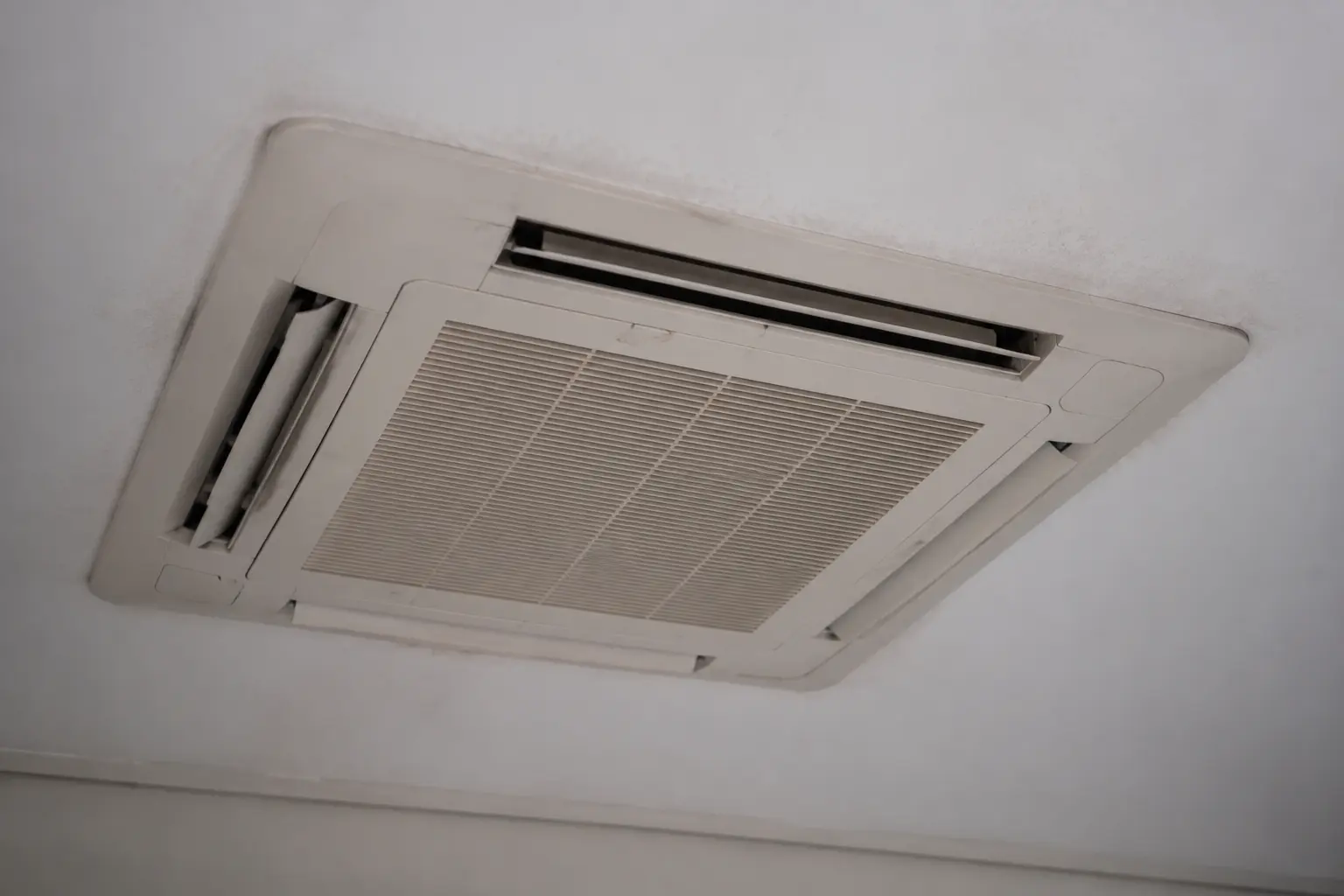
Multi-zone selection is a two stage problem. First each zone gets its own load calculation, which sets the head capacity for that space. Then the sum of those heads is checked against the outdoor unit's allowable connected capacity range, which typically permits a combined figure above the outdoor unit's own rating on the assumption that not every zone peaks simultaneously.
The step people skip is the minimum. If the smallest head in the system calls alone on a mild April evening, the outdoor unit has to turn down far enough to match it. Systems assembled without checking that lower bound short cycle in shoulder seasons, which is uncomfortable, inefficient and hard on the compressor. We check both ends of the range before specifying.
Cost scales with the number of heads and, more than people expect, with line set routing. Four heads spread across a large house need four separate branch runs back to one outdoor location, and that routing work is often the largest labour item.
There is a genuine decision point between one multi-zone system and two separate single-zone systems. Two independent systems cost more in equipment and less in routing, and they fail independently rather than taking the whole house down together. On some layouts that is the better answer and we will say so.
We walk through which spaces need independent control based on how you actually use them, not just the floor plan.
Each zone gets its own calculation, and head capacities are selected from those numbers individually.
Combined head capacity is verified against the outdoor unit's maximum and, critically, its minimum turndown.
Heads and branch line sets are installed, the system is pressure tested and evacuated, and each zone is verified operating independently.
Multi-zone installs touch several rooms at once and involve routing multiple line sets to a single outdoor location.
Call for a load calculation and an itemised quote. You keep the numbers either way.
Request a quote