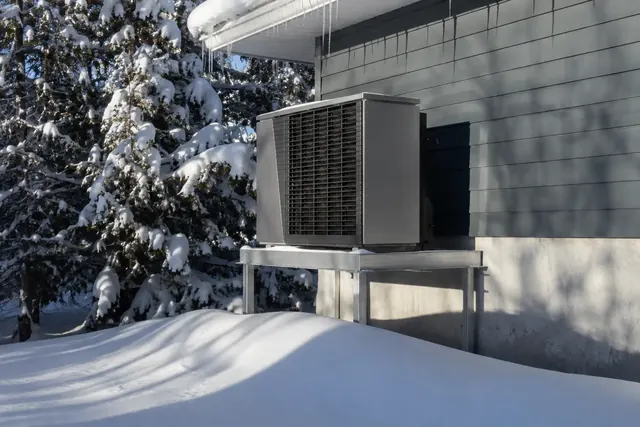
Cold climate heat pump on a raised stand clear of deep snow in Spokane
Spokane, WA

Cold Climate Heat Pumps in Spokane, WA | Rated Heating Capacity Down to Minus 15F

Spokane WA Heat Pump Installation is a heat pump contractor providing cold climate heat pumps for homeowners and property owners across Spokane County, WA and out to the Idaho state line. Every job starts from a load calculation rather than the size of whatever came out.

The reason heat pumps had a poor reputation in cold climates is straightforward: older single-stage equipment lost most of its useful heating capacity below about 17°F and fell back on electric resistance strips, which are expensive to run. Cold climate heat pumps solve that with variable-speed inverter-driven compressors that increase speed as it gets colder, holding full rated heating capacity down to around -15°F on current equipment. For Spokane, where extreme winter minimums regularly reach 0°F to 5°F, that is the difference between a system that works and one that hands the job to resistance heat every January.

Request a quote

Tell us what you need and we will call you back.

Where old and new heat pump technology diverge
-20°17°32°47°65°85°100°
-15°F rated output

A legacy single-stage unit was effectively finished at 17°F. A current cold climate model holds rated heating output all the way to -15°F. Everything between those two points is the reason this category exists.

-15°FFull rated heating capacity on current CCHP equipment
17°FWhere older single-stage units lost capacity
0 stripsResistance backup a correctly specified CCHP needs in normal operation
Cold Climate Heat Pumps Spokane

Spokane WA Cold Climate Heat Pumps

What actually matters on a cold climate system

Cold climate equipment costs more than standard equipment, and the value only materialises if the surrounding decisions are right.

  • Variable-speed inverter compressor, not a two-stage unit marketed as cold climate
  • Published capacity at -13°F or -15°F confirmed from the manufacturer's own data
  • Elevated mounting so the unit stays clear of accumulated snow through a full winter
  • Backup heat strategy defined and sized, even when it is expected to rarely run

Not everything sold as a cold climate heat pump meets the description. The term is not tightly policed, and some two-stage equipment gets marketed into the category while still losing significant capacity in the teens. The check is always the same: ask for the expanded performance data and read the capacity line at -13°F or -15°F. If that line does not exist in the documentation, the claim is not supported. We put those figures on our quotes so you can compare them directly.

The usual approach

Take the cold climate label at face value, install the unit and add resistance strips as insurance against whatever the capacity actually turns out to be.

How we do it

Read the published capacity at -13°F, size the system so resistance heat is genuinely a backup rather than a routine contributor, and show you the figures.
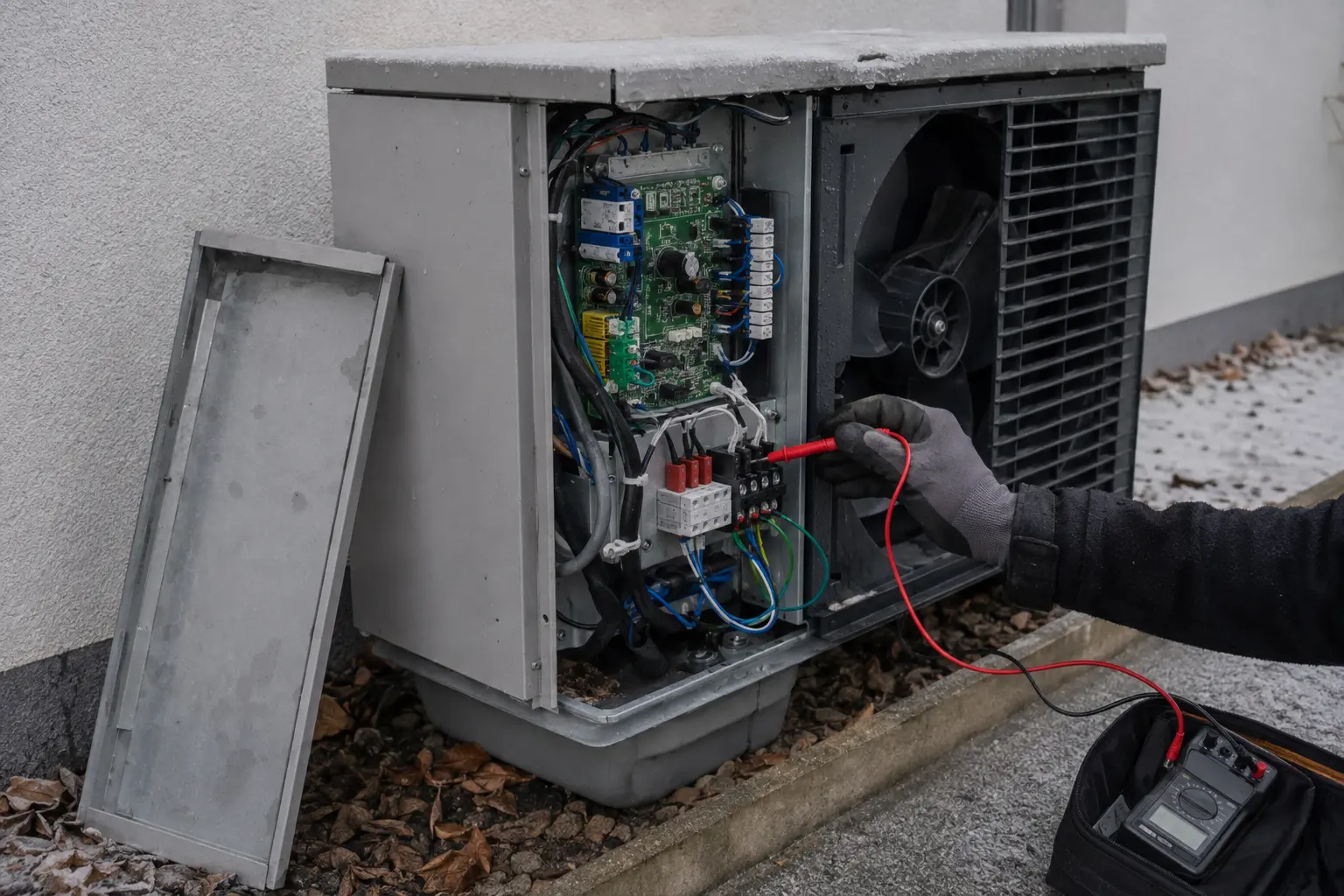
Inverter drive compartment of a cold climate heat pump with the panel removed

At a glance

Compressor
Variable speed, inverter driven
Rated to
Approximately -15°F
Legacy cutoff
About 17°F on single stage
Backup
Sized as emergency, not routine
Detail

Sizing and equipment selection for a cold climate system

Cold climate selection inverts the usual process. Instead of sizing for the cooling load and checking heating, we size against the heating load at Spokane's winter design condition and then verify the summer cooling capacity is not wildly oversized. Because Spokane logs between 4,000 and 5,500 heating degree days annually against a comparatively modest cooling season, heating is the governing case in almost every house here.

The specific figure we look for is maintained capacity at low ambient. Manufacturers publish this as a percentage of rated capacity at decreasing outdoor temperatures. A genuine cold climate unit maintains close to 100% at 5°F and remains useful well below zero. That single line in the performance table is what separates the category from ordinary equipment wearing the same label.

What separates a good job from an average one

  • Inverter compressors vary speed rather than cycling, which is what allows them to increase output as ambient temperature falls instead of losing it.
  • Defrost strategy on cold climate units is more sophisticated, and demand-based defrost wastes considerably less energy than fixed interval defrost.
  • Mounting height needs to account for a full winter's snow accumulation, not just the depth on installation day.
  • Backup heat should still exist, sized for an equipment failure rather than for routine winter operation.
  • The controls need setting up so the system does not call for backup heat prematurely, which is a configuration issue that silently wastes a great deal of electricity.

What drives the cost of a cold climate heat pump

-15°FRated capacity floor
4,000-5,500Local heating degree days per year
0-5°FExtreme winter minimums

Cold climate equipment carries a premium over standard heat pumps, and in Spokane that premium buys performance rather than just efficiency. The relevant comparison is not simply operating cost but whether the system carries the house in a genuine cold snap without resorting to resistance heat.

The cost of getting this wrong is recurring. A standard heat pump in a Spokane winter runs its resistance strips through every cold spell, and resistance heat converts electricity to heat at a strictly one to one ratio. Over a decade that difference substantially outweighs the equipment premium.

How it runs

What happens, in order

Step 01

Establish the design load

A Manual J calculation gives the heating load at Spokane's winter design condition, which is the number everything else follows from.

Step 02

Read the low-ambient data

We compare candidate equipment on published capacity at -13°F or -15°F rather than on nominal ratings or marketing claims.

Step 03

Install with winter in mind

The outdoor unit is set on a stand sized for local snow accumulation, positioned clear of roof shed and drift lines.

Step 04

Configure the controls

Backup heat lockout and staging are set so resistance heat is genuinely a backup, then heating operation is verified.

Before we arrive to install a cold climate heat pump

These installs frequently happen in winter, because that is when people discover their existing system cannot cope. Cold weather access needs thinking about.

  1. Clear and salt the path to the outdoor unit location if there is snow or ice, since we will be carrying equipment along it.
  2. Identify where snow drifts and where roof snow sheds, because the unit needs to go somewhere that avoids both.
  3. Note the height of typical winter snow accumulation at the proposed location, which tells us how high to build the stand.
  4. If you have been running electric resistance backup heavily, have a recent electricity bill available, as it helps quantify what the change should achieve.
  5. Clear indoor access to the air handler or head location, and to the electrical panel where the backup heat circuit is landed.

Cold climate specification only means something against a defined design condition. Our Spokane heat pump sizing and climate guide covers the Climate Zone 5B extremes, heating degree days and frost data we design to. Read the guide.

Frequently asked questions

How cold can a cold climate heat pump work in?
Current cold climate equipment holds rated heating capacity down to around -15°F, which covers Spokane's extreme winter minimums with margin. Below that the equipment still produces heat, just at reducing capacity, which is where properly configured backup heat takes over.
What is the difference from a standard heat pump?
The compressor. A cold climate unit uses a variable-speed inverter compressor that increases speed as it gets colder to maintain output. Older single-stage equipment ran at one speed and simply lost capacity as ambient temperature fell, which is where the reputation for poor cold weather performance came from.
Do I still need backup heat?
You should still have it, sized for an equipment failure rather than for routine winter operation. A correctly specified cold climate system should rarely call for it. Configuring the lockout properly matters, because a system that calls for resistance heat prematurely quietly costs a great deal to run.
Do I need to be present while you install a cold climate heat pump?
At the start, so we can agree on the outdoor unit position together. Snow drift and roof shed patterns are things you know from living there and we would only be guessing at, and that placement decision affects the system every winter.
Do you offer free quotes for cold climate heat pumps?
Yes, and our quotes include the published capacity figure at low ambient for the specific model proposed. That is the number worth comparing between quotes, and it is frequently the one left off.
How is a cold climate heat pump marketed differently from what it does?
The label is not tightly regulated, so some two-stage equipment is sold in the category while still losing meaningful capacity in the teens. Ask any contractor for the manufacturer's expanded performance data and read the capacity line at -13°F. If it is not published, the claim is not supported.

Cold Climate Heat Pumps in Spokane

Phone
509-352-6630
Quote
Free, includes the load calculation measurements
Typical duration
Sized as emergency, not routine
Service area
Spokane County, WA and Post Falls, ID

Cold Climate Heat Pumps in Spokane, WA

Call for a load calculation and an itemised quote. You keep the numbers either way.

Request a quote

509-352-6630